
Top 5 questions about gluten detection dog training
- Deb Duvall

- Jun 4
- 4 min read
Updated: 1 day ago
If you're considering a gluten detection service dog, you probably have questions before deciding whether owner-training is right for you and your dog. Here are five of the most common questions I hear from prospective clients about gluten detection dog training, including which dogs make good candidates, whether you can train your own dog, expected costs, training timelines, and some of the challenges involved.

What Breeds Make the Best Gluten Detection Service Dogs?
Many breeds can learn gluten scent detection, but not every dog is suited for service dog work. The individual dog’s temperament, confidence, motivation, ability to focus, willingness to work, and ability to recover from distractions are more important than breed alone. Some breeds are commonly chosen for service and detection work because of their trainability and desire to work closely with their handler.
Can I Train My Own Gluten Detection Service Dog at Home?
Yes. With professional guidance, many owner-handlers can learn to train their own gluten detection service dog. Owner training allows you to participate directly in the training process while learning how to develop and maintain your dog’s scent detection, alert, all-clear, and service dog skills over time. For a closer look at the training process, read my step-by-step guide on [how to train a gluten detection dog].
Key points for owner-training:
Start with basic obedience and build a solid foundation
Use positive reinforcement and reward-based training methods
Work with a qualified trainer or join a virtual training program for guidance
Practice scent detection exercises regularly in different environments
Online service dog training makes owner training accessible regardless of location. Through live Zoom coaching, owner handlers can receive personalized instruction, demonstrate training exercises with their dog, get feedback, troubleshoot challenges, and learn how to continue practicing between sessions.
How Much Does a Gluten Detection Service Dog Cost?
The cost of training a gluten detection service dog can vary considerably depending on whether you purchase a fully trained dog or participate in an owner-training program with professional guidance. Fully trained gluten detection service dogs may cost approximately $30,000–$50,000 or more.
Professional owner-training programs are generally paid over time rather than as one large upfront expense. Experienced professional service dog trainers may charge $600 per month or more for ongoing training and coaching, depending on the frequency of sessions, the trainer’s experience, and the individual program. Because training a reliable service dog typically takes 1.5 to 2 years, it is important to consider the total training investment rather than only the monthly cost.
At Gluten Detected Service Dogs, owner-handler training provides professional guidance while allowing you to actively participate in your dog’s training and develop the skills needed to maintain that training long-term.
While purchasing a fully trained gluten detection service dog requires a significant financial investment, many families choose owner-training because it is more affordable and allows them to build a stronger bond with their dog throughout the training process. With the right guidance and consistent practice, many owner-trained dogs become highly reliable gluten detection service dogs. For a more detailed breakdown of training expenses and what can affect the total investment, read my Gluten Detection Dog Training Cost Guide.
Every dog learns at a different pace. Training costs and timelines vary depending on the dog's age, temperament, previous training, and the handler's consistency.
How Long Does It Take to Train a Gluten Detection Service Dog?
Training a reliable gluten detection service dog typically takes approximately 1.5 to 2 years. The timeline varies depending on the individual dog, the handler, training consistency, and the skills the dog needs to develop. In addition to gluten scent detection, a service dog must also develop obedience, public access skills, confidence, and the ability to work reliably in everyday environments.
Training generally progresses through several stages, including:
Foundation skills: Basic obedience, engagement, confidence, and socialization
Scent detection: Learning to recognize and discriminate the trained gluten target odor
Alert and all-clear behaviors: Developing clear, consistent communication with the handler
Proofing and generalization: Practicing with different scent presentations, foods, packaging, and environments
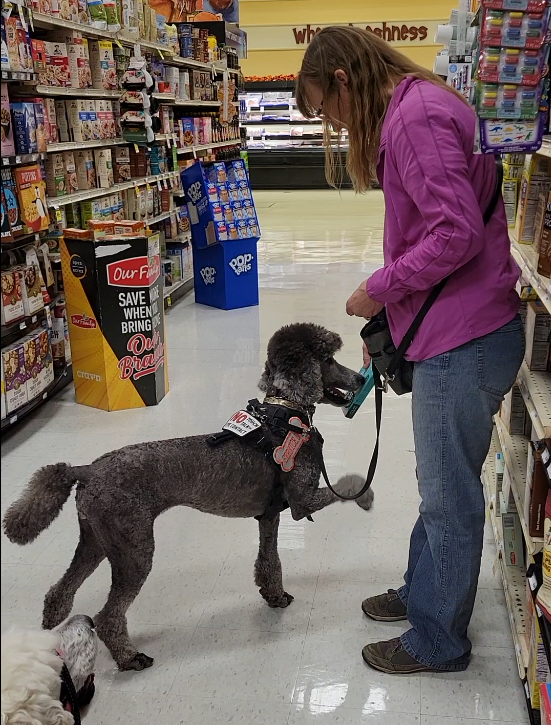
Public access training: Building the skills needed to work calmly and reliably in everyday public settings
For example, a dog that already knows basic commands may move faster through the early stages, while a puppy will need more time to develop focus and reliability. Consistency and patience are essential throughout the training journey.
What Are the Challenges of Working With a Gluten Detection Service Dog?
While gluten detection dogs provide invaluable assistance, working with one comes with challenges that handlers should be prepared for.
Common challenges include:
Maintaining reliable alerts: A gluten alert dog requires regular practice to maintain strong scent detection skills. The handler must also develop good timing and communication skills so the dog receives clear feedback and reinforcement when they give the correct response. Poor timing can make it harder for the dog to understand which behavior is being rewarded. Handlers also need to recognize their dog’s alert and all-clear behaviors and understand that no detection dog is 100% accurate.
Avoiding false alerts or missed detections through ongoing training
Managing the dog’s health and well-being, including regular vet visits and exercise
Navigating public access laws and educating others about service dog etiquette
For example, some dogs may lose interest if training sessions become repetitive or if they do not receive enough mental and physical stimulation. Handlers must keep training fun and varied to maintain the dog’s enthusiasm.
Have additional questions about gluten detection dog training or celiac service dog training? I offer personalized evaluations and online coaching to help owner-handlers train reliable gluten and allergen detection service dogs using positive reinforcement. If you’re wondering whether your dog is a good candidate or how to get started with training, I’d be happy to help you determine the next step.


Comments